

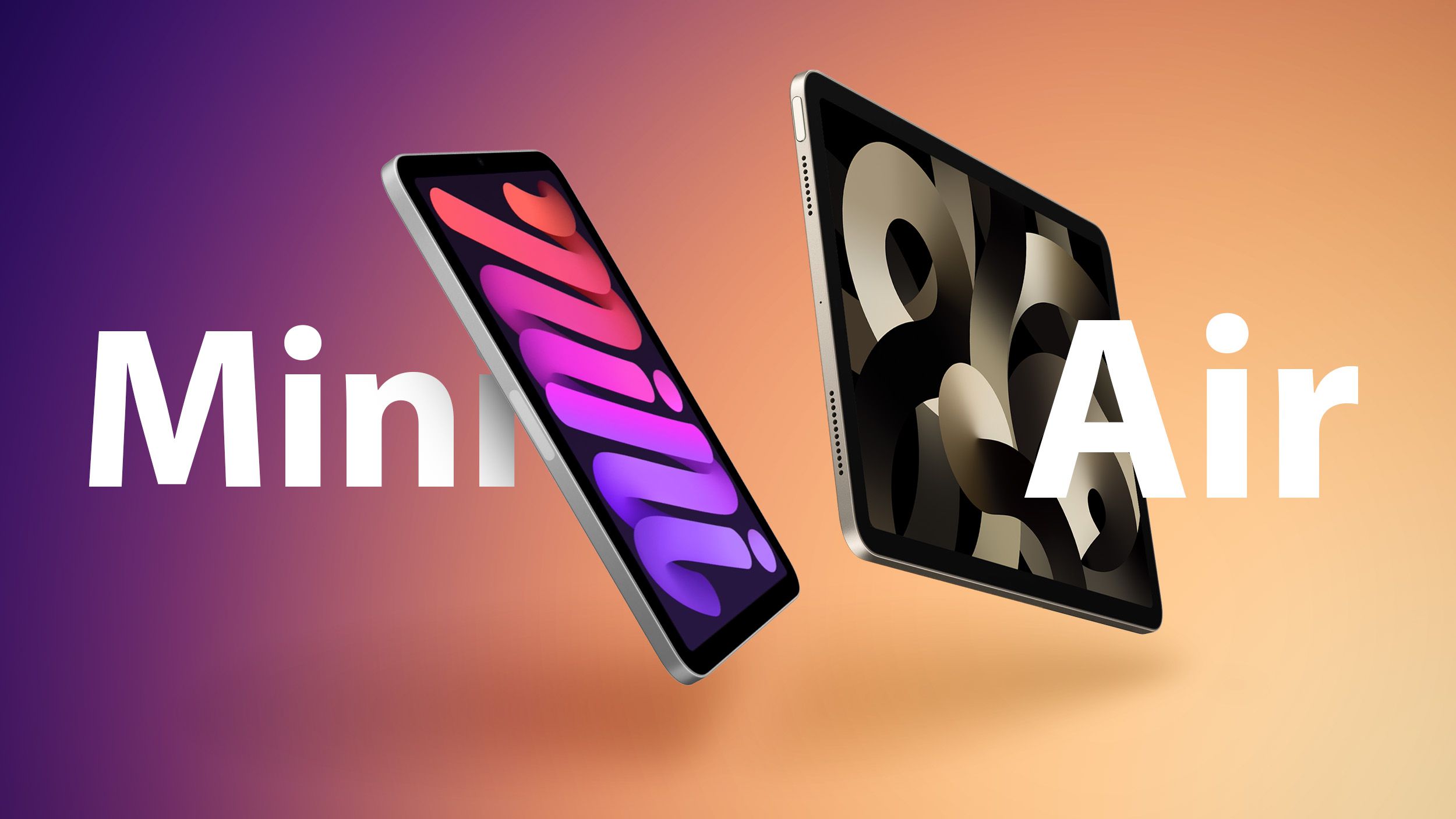
In April 2026, Apple launched the eighth-generation iPad Air, equipped with the powerful M4 chip. Meanwhile, the current iPad Mini, which debuted in 2024, is nearing its two-year mark. With only a $100 price gap between these devices, potential buyers are asking: which one is the better choice?
The new iPad Air offers minor improvements over last year’s M3 model, including increased unified memory, the latest N1 wireless chip, Wi-Fi 7, Bluetooth 6, and the Apple C1X modem. Conversely, the iPad Mini features the A17 Pro chip, compatibility with Apple Pencil Pro, and support for hover functionality, making it a standout option for portable use.
Design-wise, both devices share a similar aesthetic, featuring an all-screen design without a Home button and Touch ID integrated into the top button. However, they differ significantly in specifications, display sizes, and intended use cases.
Comparing the iPad Mini and iPad Air
Here’s a breakdown of the critical differences between the iPad Mini (seventh generation, 2024) and the iPad Air (eighth generation, 2026):
- Display Size: The iPad Mini boasts an 8.3-inch display at 326 ppi, while the iPad Air is available in 11-inch and 13-inch options with lower pixel density at 264 ppi.
- Brightness: The Mini has a maximum SDR brightness of 500 nits, the same as the 11-inch Air, but the 13-inch Air elevates this to 600 nits.
- Portability: Weighing just 0.66 pounds (297 grams), the Mini is designed for maximum portability compared to the heavier iPad Air, which weighs 1.02 pounds (462 grams) for the 11-inch and 1.36 pounds (617 grams) for the 13-inch.
- Processing Power: The iPad Mini is powered by the A17 Pro chip, while the iPad Air utilizes the M4 chip. The Mini has a 6-core CPU compared to the Air’s 8-core CPU, providing different performance levels for various tasks.
- Graphics: The Mini features a 5-core GPU, whereas the Air offers a more robust 9-core GPU, enhancing graphics performance significantly.
- Neural Engine: Both devices come with a 16-core Neural Engine, but the M4 chip supports 38 trillion operations per second compared to the Mini’s 35 trillion.
- Memory: The iPad Mini has 8GB of unified memory, while the iPad Air includes 12GB, allowing for better multitasking capabilities.
- Storage Options: The Mini is available in 128GB, 256GB, or 512GB configurations, while the Air offers an additional 1TB option.
- Pricing: The iPad Mini starts at $499, whereas the 11-inch iPad Air starts at $599 and the 13-inch at $799.
Which iPad Should You Choose?
Overall, the iPad Air is generally the preferred choice for users who prioritize a larger display for productivity and entertainment. The additional $100 for the 11-inch iPad Air is justified with its enhanced M4 chip, increased memory, and robust wireless capabilities, making it suitable for tasks typically reserved for laptops.
However, the iPad Mini appeals to those who value its compact size and lightweight design, making it ideal for reading, gaming, and convenient transport. Buyers often choose the Mini for specific use cases, such as note-taking on the go or as a child’s first tablet.
If you do not see the advantages of the Mini's smaller size or lightweight form factor, the iPad Air, especially with its larger screen options, could be the better investment, particularly for those needing a versatile device.
Looking ahead, a new iPad Mini is anticipated to launch in late 2026, potentially featuring the A19 Pro chip and an OLED display. If you're considering the Mini, it may be worth waiting for this next-generation model.
Source: MacRumors News