

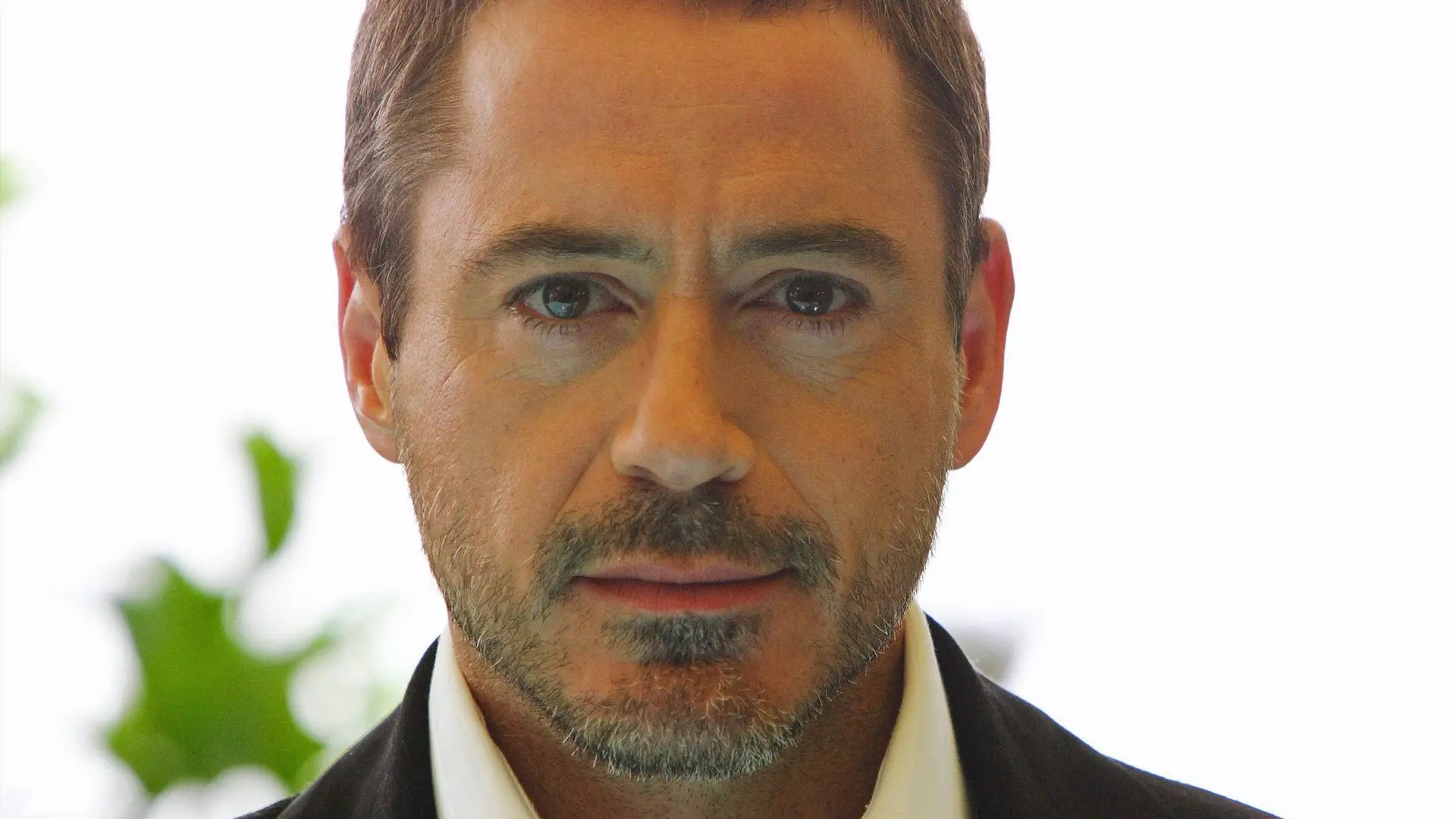
When Marvel Studios first set out to launch its cinematic universe, the decision to cast Robert Downey Jr. as Tony Stark—the billionaire genius who becomes Iron Man—was far from obvious. In fact, it was one of the most controversial moves in Hollywood history. David Maisel, one of the founding executives of Marvel Studios and former CEO, recently revealed in an interview with The New Yorker that his own board thought he was insane for choosing the actor. The reason? Downey Jr.'s well-publicized struggles with drug addiction and legal issues.
The Risk That Defined the MCU
In the early 2000s, Marvel Studios was a fledgling company trying to break into film production. They had sold off rights to many of their iconic characters—Spider-Man to Sony, X-Men to Fox, and Hulk to Universal. With limited resources, they decided to bet everything on an Iron Man movie, a character then considered a B-list superhero. The success of that film would determine whether Marvel could become a standalone film studio or remain simply a licensing house.
According to Maisel, the board was deeply concerned about Downey Jr.'s reputation. The actor had been arrested multiple times on drug-related charges between 1996 and 2001, and his career had suffered significantly. "My board thought I was crazy to entrust the future of the company to a drug addict," Maisel said. "I made it clear to them how well-suited he was for the role. We all had confidence that he was clean and would stay that way."
The board's hesitation was understandable. In 2006, when casting began, Downey Jr. was considered a liability. Insurance companies were wary, and studios had blacklisted him for years. However, director Jon Favreau, who had been hired to helm Iron Man, personally championed Downey Jr. Favreau saw in him the perfect embodiment of Tony Stark's complexities—the arrogance, the charisma, and the underlying vulnerability.
The Battle Between Two Favorites
As Maisel revealed, the casting decision ultimately came down to two actors: Robert Downey Jr. and Timothy Olyphant, known for his roles in Deadwood and Justified. While Olyphant had a more conventional leading-man image, Favreau argued that Downey Jr.'s life experiences mirrored Stark's journey from reckless playboy to selfless hero. The chemistry between Downey Jr. and Favreau during early discussions convinced the director that he was the right choice.
The rest is history. Iron Man (2008) became a critical and commercial blockbuster, earning $585 million worldwide and launching the MCU. Downey Jr.'s performance was universally praised, and he reprised the role in nine subsequent films, including Avengers: Endgame (2019), where his character's final words—"I am Iron Man"—became one of cinema's most memorable moments.
Robert Downey Jr.'s Career Revival and Impact
Before joining the MCU, Downey Jr. had experienced a rollercoaster career. He earned an Academy Award nomination for Chaplin (1992) and starred in acclaimed films like Short Cuts (1993) and Natural Born Killers (1994). But his drug abuse led to arrests and rehab stints, effectively ending his blockbuster prospects. By 2003, he had cleaned up and began rebuilding his career with smaller roles in films such as Kiss Kiss Bang Bang (2005) and A Scanner Darkly (2006).
The Iron Man role not only revived his career but turned him into the highest-paid actor in Hollywood at the time. For Avengers: Endgame, Downey Jr. reportedly earned $75 million, factoring in backend profits. His portrayal of Tony Stark became the emotional backbone of the MCU, influencing everything from the tone of the films to the arcs of other heroes like Spider-Man (Tom Holland) and Doctor Strange (Benedict Cumberbatch).
The Legacy of the Decision
Maisel's gamble paid off beyond expectations. The MCU has since produced more than 30 films and numerous streaming series, generating tens of billions of dollars. But without Downey Jr.'s Iron Man, the whole cinematic universe might never have existed. His performance set a standard for superhero casting, proving that even a controversial choice can become iconic.
Interestingly, Downey Jr. ranks third among the most frequent MCU actors. With ten appearances, he ties with Mark Ruffalo, Chris Evans, and Paul Bettany. Only Don Cheadle (War Machine) and Samuel L. Jackson (Nick Fury) have more, with eleven and fourteen appearances respectively, counting their upcoming projects. Cheadle is set to star in Armor Wars, while Jackson will appear in Secret Invasion and The Marvels.
The casting of Downey Jr. also opened doors for other actors with troubled pasts, demonstrating that Hollywood could offer second chances. It reinforced the idea that talent and fit matter more than a clean reputation. For fans, the story of how Iron Man came to be is a reminder of the risk-taking that often fuels the greatest art.
Today, the Iron Man franchise and Downey Jr.'s involvement remain a textbook example of bold decision-making. The board may have thought Maisel was crazy, but history has proven that madness can sometimes be the smartest move.
Source: KINO News