

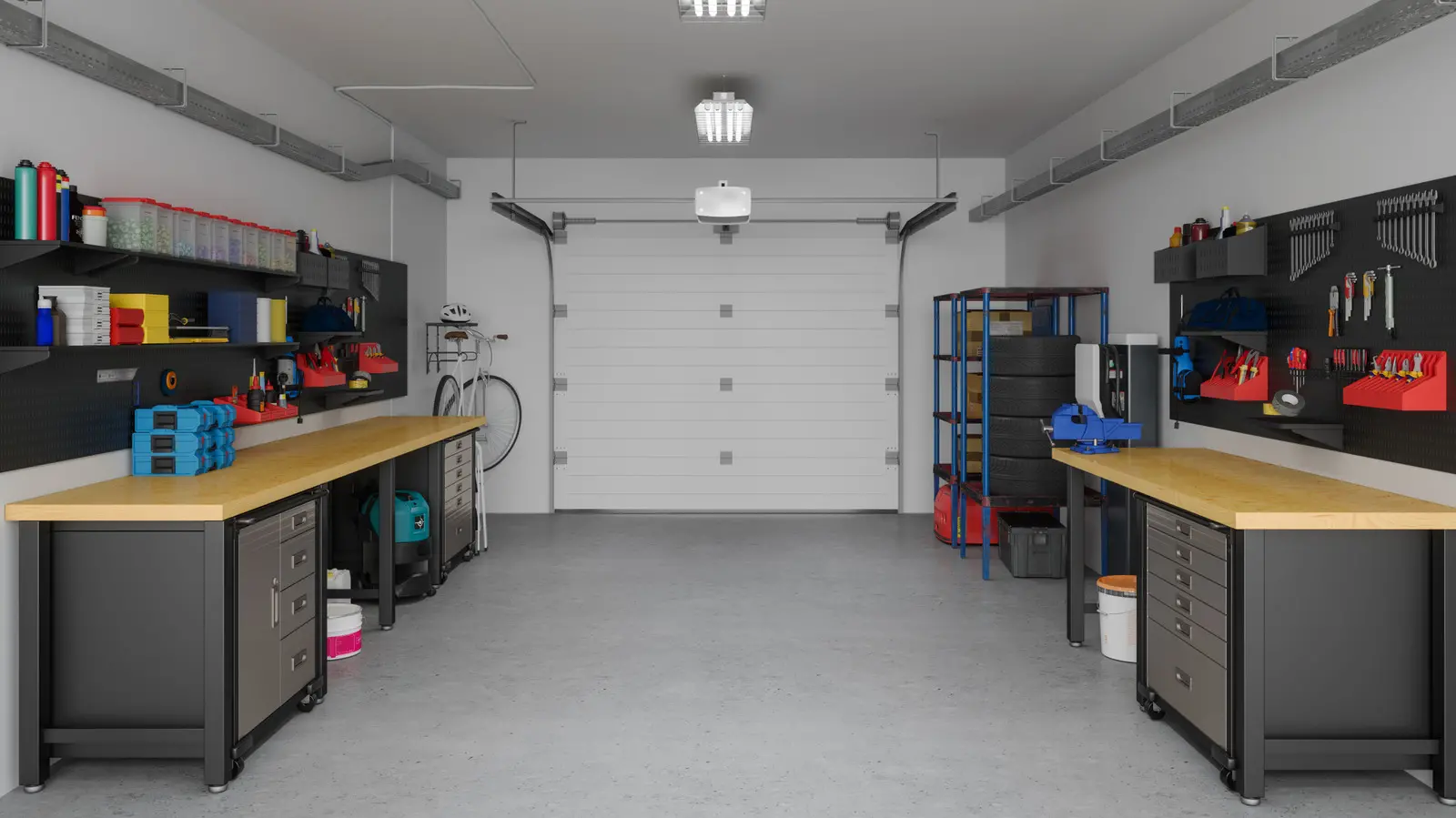
Every garage tells a story. For some, it's a pristine workshop with tools hung precisely; for others, it's a catch-all for holiday decorations, sports equipment, and the occasional car. Because every use case differs, there is no single perfect organization system. Pegboards offer a classic solution for hanging hand tools, but they struggle with weight and can look cluttered. Tote racks keep containers off the floor but require significant space and make it hard to access items at the bottom. Enter slat walls: a versatile, modern alternative that combines the best of both worlds while solving many of their limitations.
What Are Slat Walls?
Slat walls are panels with horizontal grooves cut into them. These grooves allow you to insert hooks, shelves, bins, and other accessories without needing additional hardware. Originally popular in retail displays for their clean look and flexibility, slat walls have migrated into garages, workshops, and sheds. They offer a gridless mounting system that can be reconfigured in minutes. Rather than committing to a fixed layout of pegs, you slide accessories along the channels to adjust spacing as needed. This makes slat walls ideal for dynamic environments where tools and equipment change over time.
Advantages Over Pegboards and Totes
Pegboards are limited by their perforated design. The holes dictate where you can place hooks, and weight distribution is often poor, leading to sagging or broken boards. Slat walls, especially those made from commercial-grade PVC or metal-reinforced materials, can support significantly more weight—often up to 75 pounds per linear foot. This makes them suitable for hanging heavy power tools, ladders, and even bicycles. Totes, while great for small parts, require floor space and can become unorganized quickly. Slat walls keep items off the floor, freeing up valuable square footage for parking or workspace. They also provide better visibility: you can see everything at a glance rather than digging through stacked totes.
Choosing the Right Slat Wall Material
Not all slat walls are created equal. Your choice depends on what you plan to hang and the conditions of your garage. For light-duty storage—such as hand tools, garden gloves, or spools of rope—MDF-based slat walls are affordable and easy to install. However, MDF is susceptible to moisture and may warp in humid garages. For heavier loads like bikes, ladders, or power tools, opt for slat walls made from high-density PVC or aluminum. These materials resist moisture, chemicals, and impact. Some panels come with fire-retardant properties, which add safety if you store flammable materials. Waterproof slat walls are ideal for garages that double as car washes or in regions with high humidity. Before purchasing, measure your wall space and consider the depth of the items you'll hang. Standard panels are 4x8 feet, but you can custom cut or arrange them to fit odd dimensions.
Installation Tips for a Garrag
Source: SlashGear News