
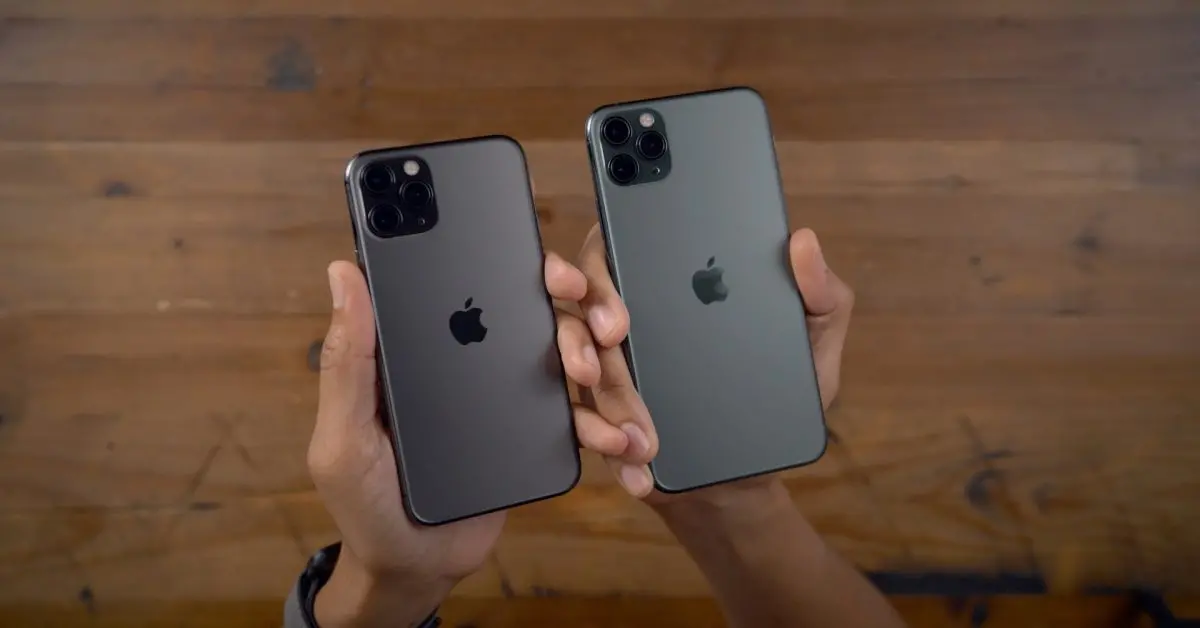
As Apple prepares to unveil iOS 27 at the Worldwide Developers Conference on June 8, fresh rumors indicate that the upcoming software update may leave behind four older iPhone models. According to a leaked list shared by a well-known Weibo leaker, iOS 27 will require at least an iPhone 12 or later, effectively ending support for the iPhone 11, iPhone 11 Pro, iPhone 11 Pro Max, and the second-generation iPhone SE. If accurate, this would be the second year in a row that Apple has trimmed its compatibility list, following last year's removal of the iPhone XS generation.
Apple's pattern of dropping iPhone support tends to follow a cycle of roughly five to six years after a model's initial release. The iPhone 11 lineup launched in September 2019, meaning these devices would be about seven years old when iOS 27 arrives—a reasonable cutoff point for an operating system that increasingly demands more processing power and memory. The second-generation iPhone SE, released in early 2020, would be only slightly newer, but its entry-level hardware may struggle with the advanced features expected in iOS 27.
What iOS 27 Brings to the Table
Rumored features for iOS 27 include a major overhaul of Siri, introducing deeper integration with third-party apps and improved contextual understanding. The update is also expected to introduce a Liquid Glass design language, revamping the visual aesthetics of the interface with translucent, dynamic elements that adapt to content and lighting. These changes, combined with ongoing enhancements to Apple Intelligence—the company's suite of on-device AI capabilities—could place significant demands on older hardware.
Apple Intelligence, which debuted with iOS 18.1, has since expanded to include features like real-time text summarization, image generation, and smarter notification prioritization. Many of these features require the Neural Engine found in the A12 Bionic chip or later, but the most intensive tasks—such as on-device language models and advanced photo editing—are currently limited to the iPhone 15 Pro and later. Even if an iPhone 11 series device could technically run iOS 27, it may lack support for the full slate of Apple Intelligence features, reducing the incentive for users to upgrade.
The Impact on Users
For owners of the affected models, the news means they will not receive the new features and security updates that come with iOS 27. Apple will continue to provide security patches and bug fixes for iOS 26, but those updates will become less frequent over time. Users who rely on the latest app compatibility or want to take advantage of new system capabilities will likely need to consider upgrading their hardware.
Historically, Apple has retained support for devices longer than many Android manufacturers, with iPhones receiving major updates for five to six years. The iPhone 11 series, for example, launched with iOS 13 and has received every major update up through iOS 26. Dropping support at iOS 27 would give those devices a seven-year lifespan of major updates, which is exceptional in the smartphone industry. Still, users who purchased an iPhone 11 Pro Max in 2019 may feel the pinch, especially if they invested in a premium model expecting longer support.
Historical Context: Apple's Support Policies
Apple's decision to drop older models is often driven by hardware limitations. Each new iOS version introduces features that rely on newer chips, more RAM, or specific sensor capabilities. For instance, iOS 16 dropped the iPhone 6s and original iPhone SE, largely due to the need for the A9 chip's minimum performance. Similarly, iOS 17 ended support for the iPhone X, iPhone 8, and iPhone 8 Plus, devices that had the A11 Bionic chip but lacked sufficient RAM for certain multitasking features. iOS 26 cut off the iPhone XS, XS Max, and XR, which used the A12 Bionic. Now, the iPhone 11 series—also on the A13 Bionic—appears to be next.
The second-generation iPhone SE is a unique case. It uses the A13 Bionic chip, the same as the iPhone 11, but with less RAM (3GB vs. 4GB on the iPhone 11 Pro). That difference might have contributed to its exclusion, as Apple Intelligence and the Liquid Glass design may require more memory for smooth performance.
Another factor is Apple's push toward a unified ecosystem. The company has increasingly tied software features to its latest hardware, such as the Dynamic Island, ProMotion displays, and the U1 chip for spatial awareness. iOS 27's rumored design overhaul might heavily rely on the more powerful GPUs and display controllers in the iPhone 12 and later, making older models incompatible even if they could technically run the OS.
What to Expect at WWDC
With WWDC just weeks away, Apple is expected to officially announce iOS 27 along with updates to iPadOS, macOS, watchOS, and tvOS. The developer beta will likely be available immediately after the keynote, giving developers and enthusiasts a chance to test compatibility. The public beta typically follows in July, with the final release in September alongside the new iPhone lineup.
If the leak proves correct, the affected models represent a significant slice of the active iPhone user base. The iPhone 11 was one of the best-selling phones of 2019 and 2020, and the second-gen SE remains popular for its low price. Apple will likely offer a trade-in program to encourage upgrades, but users may also choose to hold onto their devices and rely on iOS 26 updates for another year or two.
Beyond the compatibility changes, iOS 27 is shaping up to be a visually transformative update. The Liquid Glass design language, inspired by the transparency effects of iOS 7 but taken further, is expected to bring depth and fluidity to menus, widgets, and notifications. Siri's overhaul, meanwhile, could finally make the assistant competitive with Amazon Alexa and Google Assistant, leveraging large language models for more natural conversations.
Should You Upgrade?
If you own an iPhone 11 or second-gen SE, the decision to upgrade depends on your needs. If you rely on the latest app features and security updates, an upgrade is advisable before iOS 27 launches. However, if you are satisfied with your current device's performance and don't need the new Siri capabilities or design changes, you can comfortably remain on iOS 26 for another year. Apple typically supports the previous major iOS version with security patches for about two years after a new version ships, so your phone will remain safe for the foreseeable future.
For those planning to upgrade, the iPhone 15 Pro models offer the full Apple Intelligence experience, while the iPhone 15 and iPhone 14 options still provide excellent performance and support for most iOS 27 features. The iPhone SE 3, powered by the A15 Bionic, is another affordable choice that will be on the supported list.
Ultimately, Apple's decision to drop support for the iPhone 11 series and second-gen SE signals a shift toward more advanced AI and design features that demand newer hardware. While it's unfortunate for affected users, it reflects the rapid pace of innovation in mobile computing. As WWDC approaches, we'll be watching for official confirmation and any additional details about what iOS 27 will truly offer.
Source: 9to5Mac News