
We may receive a commission on purchases made from links.
Nostalgia often draws us back to older technologies, but the challenge lies in connecting them with today's devices. Many classic gadgets, like retro gaming consoles and VCR players, utilize connection types that modern televisions do not support. This compatibility issue becomes apparent when attempting to link an old iPod to Bluetooth headphones or setting up a vintage gaming system on a new TV.
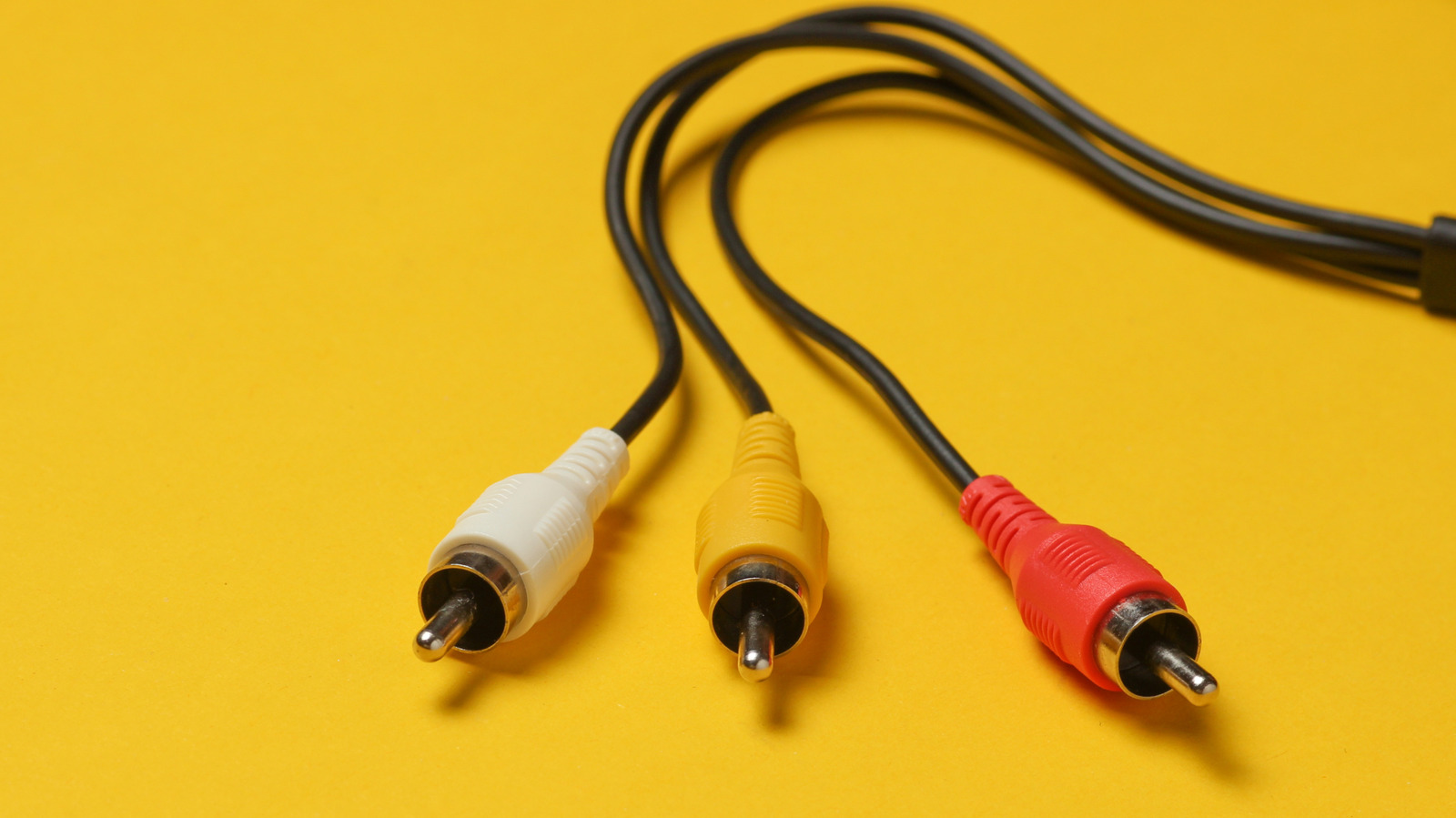
This is where RCA to HDMI converters come into play. Most contemporary televisions feature HDMI ports for video and audio connections. If you've connected a newer gaming console, you've likely used an HDMI cable. However, many older systems rely on RCA connections—those familiar red, white, and yellow cables. To integrate these classic devices with a modern setup, an RCA to HDMI converter is essential.
These converters transform the analog signals from older devices into a digital format compatible with modern televisions. Some models even upscale the resolution to 720p, 1080p, or even 4K. While this may sound appealing, it’s important to note that simply converting the signal doesn’t guarantee an improved visual experience. Many older consoles are limited to 480p output, meaning additional processing is often necessary to enhance video quality, with both advantages and disadvantages to consider.
Understanding the Compromises of Conversion
RCA to HDMI converters serve the primary function of converting signals from analog to digital, but they also aim to increase output resolution to suit larger screens. This is particularly beneficial as many vintage consoles, such as the Nintendo 64 or PlayStation 2, typically operate at around 240p or 480p, while modern TVs generally support 1080p or 4K resolutions. However, this enhancement often comes with drawbacks, both in terms of cost and performance.
The price of RCA to HDMI converters varies widely, from budget-friendly options like the Prozor RCA to HDMI converter to high-end models like the RetroTink-4K Pro, which can cost upwards of $750. Beyond the financial investment, some converters may introduce input lag during the signal conversion process, which can be a significant downside for gamers. Due to these factors, some enthusiasts choose to forgo converters altogether and opt for retro CRT TVs that support RCA connections natively, thus eliminating input lag.
It’s also crucial to understand that these converters can only work with the original signal quality; they cannot magically enhance older games into high-definition visuals. For example, using a VCR with an RCA to HDMI converter won’t improve the quality of a VHS tape to that of a Blu-ray, regardless of the converter’s specifications.
Upscaling Capabilities of RCA to HDMI Converters
Converters that advertise native 1080p or 4K output are typically employing upscaling technology. This process can enhance image quality by providing a resolution that modern displays can utilize effectively. The results of upscaling can differ based on the specific converter and the device being used, but it often leads to a sharper and more vibrant image.
However, the quality of upscaling varies significantly between devices. The effectiveness of the upscaler is contingent on the initial resolution of the input signal; lower resolutions from retro consoles may not upscale well, sometimes resulting in visual artifacts or distortion. It’s also essential to use an upscaler that matches your display’s native resolution. When both the converter and the TV attempt to upscale the same signal, it can lead to diminished visual quality.
Interestingly, some users argue that the natural fuzziness of composite video can actually be more flattering for older graphics, as it masks certain technical imperfections. For instance, low-resolution graphics from classic games might appear smoother at their native resolutions, while attempting to sharpen them could emphasize jagged edges and blocky models.
Conclusion
In conclusion, RCA to HDMI converters play a significant role in bridging the gap between classic and modern technology. While they can enhance connectivity and potentially improve visual quality through upscaling, the results depend heavily on the original output and the specific converter used. Understanding these nuances is key to making informed decisions about integrating older devices into contemporary viewing experiences.
Source: SlashGear News