
Google I/O 2024: A New Era of AI-Powered YouTube
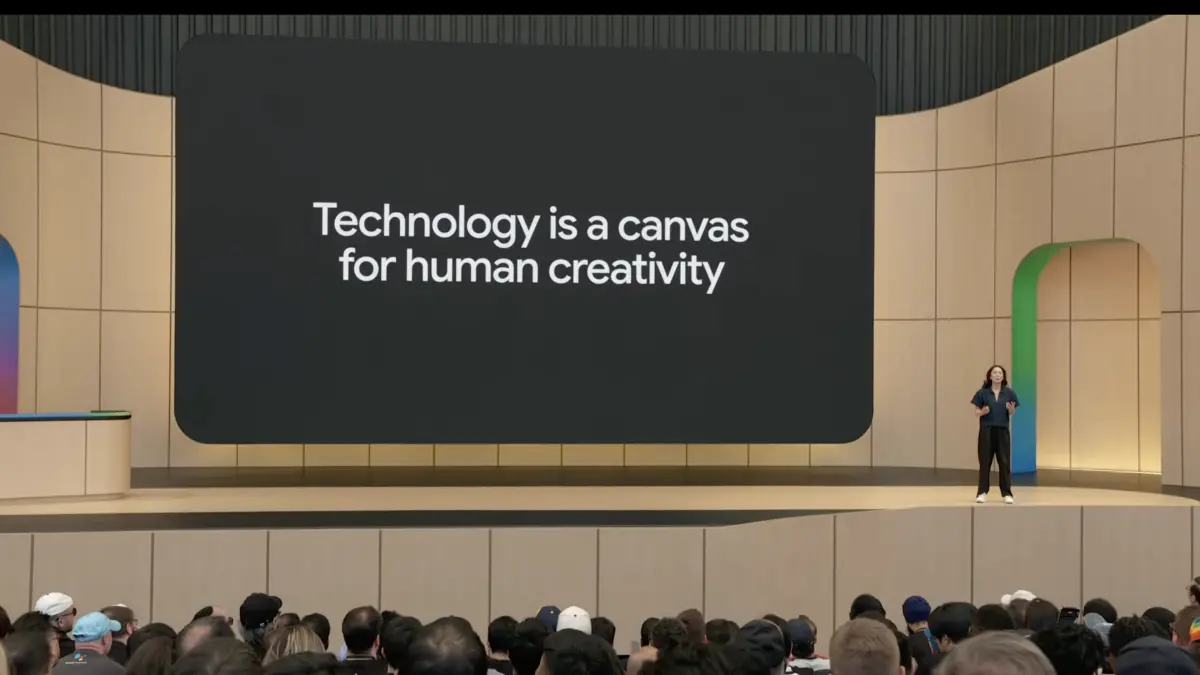
At Google I/O 2024, CEO Sundar Pichai set the tone with a single, memorable term: tokenmaxxing. This word encapsulates the unprecedented scale of AI processing now occurring globally – quadrillions of operations every day. The message was clear: Google has fully pivoted to artificial intelligence, and its most popular platforms are being reimagined from the ground up. Among the dozens of product updates announced, YouTube users received two notable features that promise to change how videos are created, discovered, and consumed.
YouTube, the world’s most-watched video platform, is a critical part of Google’s ecosystem. With over 2 billion monthly active users, it is a hub for entertainment, education, and social interaction. As AI becomes more sophisticated, YouTube is integrating these capabilities to enhance user experience while addressing concerns about authenticity and misinformation. This article dives deep into the two major YouTube announcements from I/O 2024 and explores their broader implications.
YouTube Shorts Gets Gemini Omni
The first announcement centers on YouTube Shorts, Google’s answer to TikTok’s short-form video dominance. Shorts already leverages AI for recommendation and editing tools, but the introduction of Gemini Omni marks a significant leap forward. Gemini Omni is Google’s new multimodal AI model, capable of processing and generating content across text, image, audio, and video simultaneously. Unlike previous AI models that handled one modality at a time, Omni can “think” in multiple directions, understanding and creating content from any input.
In practice, this means YouTube Shorts creators can now use Omni within the Remix feature. Remix allows users to take existing videos from YouTube’s library and create new derivative shorts. With Omni, creators can generate new content via advanced AI prompts. For example, a user could prompt the AI to “add a calm background soundtrack and overlay a slow-motion effect to this mountain climbing clip,” and the model would seamlessly execute the request. The result is a more fluid, intelligent editing experience that lowers the barrier for creative expression.
However, with great power comes great responsibility. Google has implemented robust guardrails: any Short created using Gemini Omni will automatically receive an AI-generated content label. This label will include metadata indicating the use of AI, along with links back to the original source material. This transparency measure is crucial in an era where deepfakes and synthetic media can easily mislead viewers. During the presentation, Google emphasized that these labels are part of a broader effort to maintain trust across its platforms.
Additionally, YouTube is expanding its likeness detection tool to all creators aged 18 and older. Previously limited to a smaller test group, this tool helps creators identify where their face has been manipulated or generated by AI in other videos on YouTube. It uses facial recognition and machine learning to scan the platform for potential misuse. This feature is particularly relevant for public figures, streamers, and activists who may be targets of identity theft or unauthorized digital avatars. By giving creators control over their digital likeness, Google aims to combat the spread of non-consensual synthetic media.
Ask YouTube: A New Way to Search
The second major YouTube update is not within the YouTube app itself, but rather a new integration with Google Search. Called “Ask YouTube,” it represents a conversational, multimodal approach to finding information. When users pose complex or specific questions in Google Search – such as “How do I teach my child to ride a bike without training wheels?” – the search results page will now feature relevant YouTube videos directly within an interactive AI-generated response.
This feature leverages Google’s AI Mode, a new search experience that processes queries in a more natural, conversational manner. Instead of just returning a list of links, the AI will curate a tailored response that includes step-by-step tutorials, highlights from related videos, and even timestamps. For example, the AI might respond: “Here’s a popular tutorial from YouTube that shows three methods for teaching balance. Watch the first method starting at 2:15.” The response allows users to navigate the video without leaving the search page, creating a seamless blend of web search and video discovery.
Ask YouTube is still in testing, but Google plans to roll it out broadly across the United States by summer 2024. This feature could dramatically change how people access instructional content. Instead of typing a query, skimming text pages, and then clicking a video link, users get a synthesized answer that directs them to the most relevant parts of the video. It effectively turns YouTube into a knowledge base that Google Search can query in real time.
The implications are significant for both creators and viewers. For creators, having their videos featured in these AI-generated responses could drive substantial traffic, especially for educational and how-to content. For viewers, it reduces the cognitive load of parsing dense text instructions. However, it also raises questions about algorithmic bias: which videos will the AI select? Google claims it uses quality signals, but transparency in the selection criteria will be important.
Broader Context: The AI Revolution at Google I/O
These two announcements are part of a much larger push by Google to embed AI into every product. I/O 2024 saw the unveiling of Gemini 1.5 Pro, a more efficient version of the Gemini model, and Veo, a new video generation tool that can create high-resolution synthetic footage from text prompts. While not directly tied to YouTube, Veo hints at a future where creators can generate original video content without a camera. Google is also competing with OpenAI’s Sora and Meta’s AI video efforts.
In the social media sphere, short-form video remains a battlefield. TikTok has been experimenting with AI-powered effects and generative avatars. Google’s integration of Gemini Omni into Shorts is a direct response to stay competitive. By making advanced AI tools available to all creators, YouTube hopes to foster a vibrant ecosystem of original content. The automatic labeling system also positions YouTube as a responsible platform, potentially appealing to regulators who are increasingly scrutinizing AI-generated content.
Ethical considerations also loom large. The ability to generate video clips with a simple prompt could lead to misuse, from spreading misinformation to creating non-consensual explicit content. Google’s decision to label AI-generated shorts and expand likeness detection is a step in the right direction, but enforcement will be key. The company has not revealed how it will verify that metadata cannot be stripped or spoofed. Moreover, the expansion of likeness detection to all adult creators is a proactive move, but it relies on users actively opting in to scan for abuse.
From a technical perspective, Gemini Omni represents a breakthrough. Traditional AI models often struggle with “model collapse” when trained on synthetic data or fail to maintain consistency across modalities. Omni’s bidirectional architecture is designed to avoid these pitfalls. It can understand the context from one modality—say, a user’s text prompt—and generate coherent output in another, like video. This opens up new possibilities for accessibility: for instance, a creator who is blind could use voice commands to generate visual scenes for their audience.
The Ask YouTube integration also has implications for search engine optimization. Content creators will need to optimize their video metadata and transcripts to be picked up by AI-driven responses. This could lead to a shift in how video content is structured, with more emphasis on clear chapters, accurate captions, and descriptive titles.
As Google forges ahead, competitors are watching closely. Microsoft’s Bing has integrated ChatGPT and is incorporating video answers through partnerships with other platforms. Apple is rumored to be developing its own AI search features. The landscape is shifting rapidly, and YouTube’s integration with Google Search through Ask YouTube may give Google an edge in the search wars by leveraging its vast library of user-generated content.
For everyday users, these changes mean that YouTube will feel smarter and more responsive. Creating shorts will become more intuitive, and searching for how-to content will feel like talking to a knowledgeable assistant. But it also means that the line between human-created and AI-generated content will blur. Google is betting that transparency and user control will maintain trust, while others argue that the sheer volume of AI content could overwhelm organic content.
The two announcements from I/O 2024 – Gemini Omni for Shorts and Ask YouTube – are just the beginning. Google has indicated that more AI features are in development, including real-time translation of video audio, AI-generated captions in multiple languages, and advanced search filters for AI-generated content. The summer rollout of Ask YouTube will be a test case for how well these integrations work in practice. If successful, we may see YouTube become not just a platform for watching videos, but an interactive AI companion that helps users learn, create, and explore in ways previously unimaginable.
Source: Mashable News